A 5.0 rating. Not 4.8. Not 4.6 with the usual cluster of complaints about the companion app crashing. A perfect five. My first reaction was skepticism — that’s either a brand-new product with twelve reviews from people who know the seller, or it’s genuinely outperforming expectations in a category full of disappointments. So I dug into it.
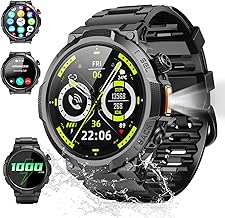
Here’s what’s actually going on: this watch isn’t trying to compete with the Apple Watch. It doesn’t want to. It’s leaning into the specific things that mid-range smartwatches consistently get wrong — and the one they get most wrong, for most people, is battery life.
The 50-Day Battery Claim Is the Whole Conversation
Fifty-plus days. For context: the average fitness tracker in this price bracket dies around day seven. The Garmin crowd knows this math by heart — you trade battery life for features, always, and you make peace with the nightly charging routine like it’s brushing your teeth. So when a watch throws out a 50-day number, that’s either marketing noise or a real engineering decision to deprioritize an always-on display in favor of actually lasting.
It’s probably both. The 1.53″ HD display is bright enough for outdoor use — military-spec casing, solid build — but it’s not burning pixels continuously the way AMOLED always-on screens do. That tradeoff makes the battery claim plausible. For someone who charges their watch every night and has quietly started to resent it? This is the answer they didn’t know they were looking for. It works on both Android and iOS, which matters more than people think when you’re buying a gift and genuinely have no idea which phone someone runs.
If that’s where you land, here’s the Amazon listing.
About That Flashlight
A flashlight. On a watch. My first thought was: who asked for this? Then I thought about every guy I know who’s ever walked a dog at 5:45am, gotten to a campsite after dark, or needed both hands free while looking for something under a car seat. It’s not a gimmick if it’s actually useful. And apparently it keeps showing up in real reviews as a genuine differentiator — not a spec-sheet checkbox, an actual thing people reach for.
The 110+ sports modes is the kind of number that sounds impressive until you realize about 90 of them are variations on walking. But heart rate monitoring and sleep tracking together — that’s the combo that actually changes how you use the data. Sleep tracking isn’t about counting hours. It’s about waking up and knowing why you feel like garbage before you’ve had coffee. Heart rate during a workout tells you if you’re genuinely pushing or just feeling like you are. That’s useful. The IP68 waterproofing is real submersion protection, not splash-resistance theater. Military-grade casing covers temperature extremes, shock, vibration — it’s a genuine MIL-STD-810 standard, not just an aesthetic choice.
The Part Where I Tell You It’s Not Perfect
The 5.0 rating is suspicious precisely because it’s perfect. Perfect scores almost always reflect low review volume or early-adopter enthusiasm before the honeymoon wears off. The design is unapologetically tactical — thick, dark, chunky. It doesn’t read as minimal or dress-watch adjacent. Someone who cares how a watch looks at a dinner table will hate this. The call functionality (answer and make calls directly from the watch) depends entirely on staying paired to a phone and tends to be inconsistent across different Android manufacturers. Don’t buy this expecting that to work seamlessly out of the box.
So — is it worth it? For someone who needs real battery life, won’t baby their gear, and wants health data without a fragile ecosystem to manage? Yes. The specs are doing a lot for the price point, and the tradeoffs are at least honest ones. For someone who wants their fitness tracker to double as jewelry? Look elsewhere.
Disclosure: This post contains Amazon affiliate links. If you purchase through my links, I may earn a small commission at no extra cost to you. I only recommend products I genuinely believe in.