The fitness tracker your kid wanted sits in a drawer somewhere. If it doesn’t, you’re lucky. Most of them die the same death: Bluetooth drops, the parent app logs out, a seven-year-old gives up. That watch becomes very expensive rubber.
That’s what makes “no app, no phone required” on the MorePro listing worth a second look. It sounds like a small thing. It’s not.
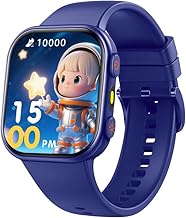
What No-App Actually Changes
Most kids’ fitness trackers are built for the parent, not the kid. The child wears the device; the data lives in an app on your phone. You sync, you check, you manage. That’s fine for tracking-oriented parents, but it means the second your phone is across the house, the watch is basically a pedometer with a screen.
MorePro handles everything on the watch itself. Heart rate, blood oxygen, sleep monitoring, step count — visible right on the wrist. No syncing. No account password to forget. No app update prompting your kid to bother you for your phone. The kid interacts directly with their own data. Weirdly rare in this category.
Does the sleep tracking hold up? Better than expected at this price. It won’t replace anything clinical, but it runs automatically overnight and picks up patterns. Useful for the parent wondering why Wednesday morning tantrums are reliably worse than the rest of the week.
Why Kids Actually Keep Wearing This One
Here’s the thing: a kids’ smartwatch that sits on the nightstand every morning is a waste of money. Retention is the whole game.
MorePro built in puzzle games, music playback, and audio stories. That last one is the thoughtful call. Audio stories loaded directly onto the watch means a bored kid in the back seat doesn’t need your phone. The games are simple enough to not spiral into a screen-time argument, but engaging enough that the watch feels like something. Theirs, specifically.
The pedometer works almost like a passive gamification engine — some kids are genuinely competitive about step counts, and this watch gives them something to chase. The health monitoring just runs in the background while they do it.
If the no-phone setup is what you’ve been looking for, here’s the listing on Amazon.
The Real Caveats
The screen is small. For a 4-year-old, navigating the interface needs adult involvement for the first week or so — a 10-year-old will figure it out in ten minutes, but a younger kid needs more hand-holding than the product description implies. That gap between the listed age range (4–12) and the actual skill required at the low end of it is real.
Music playback works through files stored directly on the device. No streaming. You’re loading tracks manually. Fine once you know, but not the mini Spotify some parents will assume it is.
Battery sits around 3–5 days with active features running. Build in a charging day each week and you’ll stop thinking about it.
Is the 5-Star Rating Real?
With a niche product like this, a perfect score can mean two things: either nobody’s bought it yet, or it delivers what it promises and doesn’t oversell. The review count here suggests the latter. Parents leaving feedback aren’t surprised in a bad way — which at this price point is honestly the bar.
It’s a functional health tracker sized for a child’s wrist, with entertainment features that make it something kids actually want. Not a toy pretending to be a tracker. Not a tracker pretending to be a toy.
For the 6–10 age range especially, this hits a specific gap: old enough to care about their own data, young enough to not have a phone yet. That’s the sweet spot, and the MorePro sits squarely in it.
Disclosure: This post contains Amazon affiliate links. If you purchase through my links, I may earn a small commission at no extra cost to you. I only recommend products I genuinely believe in.