The magnesium aisle is genuinely confusing and nobody really explains why. Glycinate, citrate, malate, oxide — different forms, different absorption rates, different jobs in the body. You can spend an hour reading and still come out not knowing which one to actually buy. Most products pick one and call it a day.
ASSR Pure Calm doesn’t. It uses all three — glycinate, malate, and citrate — stacked together in a ready-to-drink shot. That’s either a gimmick or a considered formulation choice, and the difference matters.
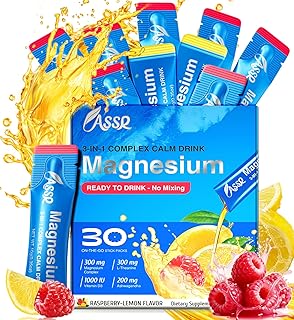
The case for combining them: glycinate is the one most associated with sleep and nervous system calm. Citrate absorbs well and is the form most commonly used in general supplementation. Malate pairs with energy metabolism — relevant because cortisol dysregulation isn’t just a nighttime problem, it’s a whole-day pattern. If you’re crashing at 3pm, that affects your cortisol rhythm later. So building a supplement that addresses the full arc of the day, rather than just slapping magnesium into a sleep capsule, is at least a coherent idea.
Add ashwagandha — an adaptogen with a genuinely solid research base for stress response — plus L-theanine (the amino acid in green tea that produces calm without sedation) and vitamin D (deficiency is correlated with sleep disruption across multiple studies), and you’ve got something that’s actually trying to address cortisol. Not just marketing the word.
Why the drink format is part of the point
Ready-to-drink vs. capsule isn’t just a preference thing. Liquid supplements skip the dissolution step, so absorption tends to be faster — relevant for something you’re taking as part of a wind-down routine. More practically: powders and capsules accumulate in the cabinet. A pre-made shot gets taken because there’s nothing to prepare.
ASSR Pure Calm comes in a 30-count box, which maps to a month at daily use. That matters because adaptogens take time. Ashwagandha studies typically run 8–12 weeks before measuring effect. A 30-day supply is enough to tell if you’re trending in the right direction — and that’s roughly the commitment level this kind of thing actually needs.
The 4.9-star rating across a meaningful number of reviews — in a supplement category that’s saturated and brutal for anything mediocre — suggests people are noticing something real.
Before you buy, one real thing
Ashwagandha interacts with thyroid medications. If that’s relevant to you, check with your doctor before adding this. Also worth knowing: this is not a sedative. It’s not going to knock you out. If your problem is staying asleep once you’re there, this isn’t necessarily the right tool.
What it’s built for is the person whose cortisol hasn’t come down by the time they’re trying to sleep — the can’t-turn-the-brain-off situation, the wired-but-tired pattern that melatonin doesn’t actually fix because melatonin isn’t addressing the cortisol. For that specific problem, this is a more targeted approach than anything generic. Worth a month to find out.
Disclosure: This post contains Amazon affiliate links. If you purchase through my links, I may earn a small commission at no extra cost to you. I only recommend products I genuinely believe in.