The confusion usually starts here: you’re comparing vitamin C serums, the Vichy vitamin C serum keeps showing up, the price tag stings a little, and now you’re wondering if you’re missing something or just being upsold on branding. That’s the question worth answering. Not a deep dive into ascorbic acid chemistry. Just: is there something else worth trying, and does Cosmedica actually stack up?
Short version: the Vichy vitamin C serum — the LiftActiv line specifically — is legitimately good. It’s not overhyped. Stable ascorbic acid formula, packaging that protects the actives, and a brand with real dermatology research behind it. At $35–40, it earns the price. If budget isn’t your issue, you can stop reading here.
But if $38 for a serum you’re not sure about feels like a gamble, that’s where Cosmedica enters the conversation.
What 1,000 Reviews Are Actually Saying
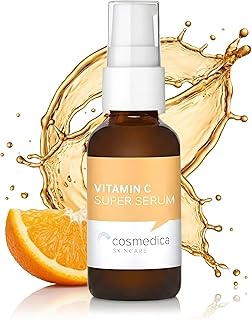
4.4 stars across 1,000+ reviews for a sub-$20 vitamin C serum isn’t a fluke. That’s a consistent pattern, not a handful of people who got lucky. The recurring notes: fast absorption, no sticky residue, gradual brightening over a few weeks. Texture is genuinely lightweight — watery, almost — the kind that layers under SPF without pilling or shifting a base. The hyaluronic acid component pulls moisture in and keeps it there. No tight-dry feeling by noon.
Brightening is slow and steady. Not overnight. Not dramatic. A few consistent weeks in, skin tone starts to even out — the kind of shift that makes people ask if you’ve been sleeping better. Fine lines? Modest improvement, not structural change. Don’t come in expecting retinol results. What you’re getting is a solid daily brightening step, not a resurfacing treatment.
For a first vitamin C serum? Low-risk entry point. It works for a lot of people. If it works for you, great. If it doesn’t, you’re out $15 instead of $40. That math matters when you’re still figuring out what your skin actually responds to.
Here’s the current Amazon listing if you want to check it out →
The Part That’s Missing From the Product Page
Vitamin C concentration isn’t disclosed. That’s a real gap if you’re tracking percentages for a specific concern. Vichy tells you exactly what you’re getting. Cosmedica doesn’t. If you read ingredient labels seriously, that opacity is going to bother you — and it should.
Packaging is basic. Not airless. A standard dropper bottle, which means vitamin C is oxidizing faster than it would in better-protected packaging. Use it within a few months of opening. Don’t stockpile it thinking shelf life is flexible. Store it away from light and heat. It’s not a big ask, but it’s a real one.
Does this disqualify it? Not necessarily. But it’s the honest tradeoff you’re making at this price point.
Back to the Vichy Question — Is the Price Gap Actually Worth It?
Vichy wins on formula transparency, packaging integrity, and overall stability. If you already know vitamin C works for your skin and want to do it properly, Vichy makes a clear argument for the extra spend. Cosmedica wins on price and being a reasonable starting point for someone who isn’t committed yet.
So where does that leave you? If you’re testing — Cosmedica makes sense. If you’re upgrading after a successful trial — that’s when Vichy’s investment starts to pay off.
One thing worth saying plainly before either purchase: neither of these replaces SPF. Vitamin C serums amplify what sunscreen does — they don’t work as standalone sun defense. If you’re not using SPF every single morning, you’re not getting the full return on this step, full stop.
Disclosure: This post contains Amazon affiliate links. If you purchase through my links, I may earn a small commission at no extra cost to you. I only recommend products I genuinely believe in.