The serum turned orange. That’s usually where people stop and Google “is my Timeless vitamin c serum bad” at 7am with wet hands.
It’s not bad. But that’s exactly the part nobody explains upfront — so let’s start there.
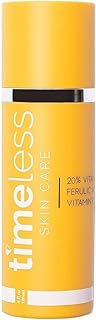
The Oxidation Question, Answered Fast
Vitamin C oxidizes. It’s what it does when it meets air and light. The Timeless serum starts clear-ish, goes yellow, deepens to orange over time. So what actually counts as gone bad? Brown. If it’s brown, toss it. Yellow to orange? Still active, still doing its job.
The formula is 20% L-ascorbic acid plus vitamin E and ferulic acid. Same ingredient logic as SkinCeuticals C E Ferulic, which runs about $180. Timeless is $25 for 4 oz. Not identical — stabilization methods differ, pH handling is different — but the stack is working toward the same goal: antioxidant protection, collagen support, slow brightening over weeks.
At 20% concentration, this is not a gentle intro. If your skin isn’t used to actives, or your barrier is currently irritated, it’ll sting in a way that’s not productive. That’s not a flaw in the formula — that’s a use-case mismatch.
What’s Actually Working Here
Brightening. That’s the consistent report across 280 reviews — more even skin tone, reduced dullness, old dark spots fading over 4–6 weeks. Not overnight. The kind of gradual shift you notice in a photo comparison, not in the mirror the next morning.
The texture is thin and watery. No tackiness, absorbs fast. If you’re layering under SPF and moisturizer — which you should be, every single morning when you’re using vitamin C — that matters. You’re not standing at the sink waiting for a serum to sink in at 8am.
Honestly? The volume is the thing people underestimate. Four ounces. Most vitamin C serums are 1 oz, maybe 1.7 oz at elevated price points. If you’re being consistent — which is the only way this actually works — you’re not replacing it every six weeks and doing the math every time.
At 4.5/5 across 280 reviews, the pattern is clear: people who store it right and give it a realistic timeline are happy. Complaints almost always trace back to expecting immediate results, or not knowing about the oxidation window going in.
If that sounds like what you’re looking for — a high-dose, low-cost vitamin C that works when you commit to it — here’s the listing.
The Parts Worth Knowing Before You Open It
The smell is real. Metallic, a little sulfur-y. It fades within a minute of application, but if scent sensitivity is a thing for you, that’s worth knowing now rather than when the bottle is already open and past the return window.
Storage isn’t optional. A bathroom shelf in direct light will oxidize this serum faster than it should. A fridge or dark cabinet extends the formula’s active life significantly. Some people refrigerate it full-time — it works fine cold, and the application isn’t bad either.
Reactive skin needs a slower intro. Rosacea-prone, sensitized, or actively broken out? Every other day to start, then build. Skipping that step is where a lot of one-star reviews come from. The formula didn’t fail those people — the rollout did.
Does the Price Gap Actually Matter?
Is it SkinCeuticals? No. The stabilization isn’t as sophisticated, the oxidation window is shorter, and for some skin types the tolerability difference is real. For most people starting out, or maintaining a solid routine without a luxury budget, the results gap is meaningfully smaller than the price gap.
Fair warning: if vitamin C has irritated your skin before, 20% concentration isn’t going to change that equation. High concentration is high concentration regardless of what’s on the label. That’s not a knock on Timeless — that’s just how the ingredient works.
For what it is — a well-formulated timeless vitamin c serum at a price where consistency is actually sustainable — it holds up.
Disclosure: This post contains Amazon affiliate links. If you purchase through my links, I may earn a small commission at no extra cost to you. I only recommend products I genuinely believe in.