Nobody tells you this when you search “cerave vitamin c serum”: there are two completely separate conversations happening at once. One is whether CeraVe’s own formula is worth it. The other — the one most people are actually confused about — is what to buy instead. Those are different questions, and they have different answers.
The Ingredient Debate Nobody Explains Clearly
CeraVe’s vitamin C formula uses 3-O-Ethyl Ascorbic Acid — a stabilized derivative. Gentler on skin, less likely to oxidize in the bottle. Fine. But the research base for straight L-ascorbic acid, for visible brightening results specifically, is just stronger. That’s not a hot take; dermatologists have said this for years. So if someone used CeraVe’s version and got nothing — that’s probably why.
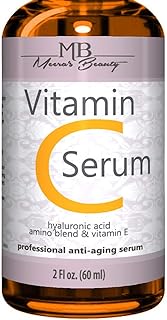
This is how most people end up landing on this double-sized Pure Vitamin C Serum. It uses actual L-ascorbic acid, paired with hyaluronic acid. Over 12,300 reviews. 4.5 stars. It’s been around long enough to have a real reputation rather than a launch-week spike.
What It Does, Specifically
L-ascorbic acid at an effective concentration neutralizes free radicals, inhibits melanin production, and stimulates collagen over time. That’s the mechanism — documented, not marketing copy. The hyaluronic acid in this formula keeps it from feeling tight or stripped, which is the thing that makes high-potency vitamin C serums hard to use daily for drier skin types.
Texture is lightweight — slightly slippery, absorbs fast, no residue. No intense citrus smell either, which matters more than it sounds because oxidized vitamin C serums smell genuinely unpleasant, and this one doesn’t have that reputation. Morning use before SPF is the obvious routine slot. And the 2 oz size is twice what most serums offer — that adds up fast when you’re using something every single day.
Fair Warning, Though
L-ascorbic acid serums are inherently unstable. Store this somewhere cool and dark — not your steamy shower shelf. If the serum turns orange or brown, it’s oxidized and doing very little for you. That’s not a flaw specific to this product; it’s just chemistry. But it’s worth knowing before you buy, not after.
Sensitive or reactive skin should approach with some caution. Straight ascorbic acid can cause flushing at first, especially if you’re jumping in without easing into it. For that skin type, CeraVe’s gentler derivative might genuinely be the smarter call — no shame in that, they’re solving different problems. The ingredients here are clean: no parabens, organic and vegan. But the actual reason to pick this over CeraVe is the L-ascorbic acid and the volume-to-price ratio. That’s it. That’s the argument.
Is this worth the extra attention it takes to store properly? For most people’s goals — yes. The brightening payoff from LAA beats the convenience of a formula that doesn’t need babysitting.
So Who’s It Actually For?
If dark circles, acne scarring, or uneven tone are the goal — this formulation is the stronger choice. The L-ascorbic acid is doing more heavy lifting than CeraVe’s derivative. For reactive skin that just wants some vitamin C without drama, CeraVe’s gentler version has the edge. They’re not really competing for the same person.
For most people landing here — skin that’s reasonably normal to dry, wants visible brightening results, done reading Reddit threads about which vitamin C form is actually worth it — here’s the serum. The size alone makes the math work out.
Short version: real L-ascorbic acid, twice the product, clean ingredient list, one storage rule to follow. That’s the whole picture.
Disclosure: This post contains Amazon affiliate links. If you purchase through my links, I may earn a small commission at no extra cost to you. I only recommend products I genuinely believe in.