The thing that actually confuses people about TruSkin vitamin C serum isn’t the price. It’s the reviews. A 4.4 across a thousand people sounds reassuring until you start reading them — half say it fixed their skin, half say it pilled, oxidized, or did nothing. So which version is true?
Both. Here’s why.
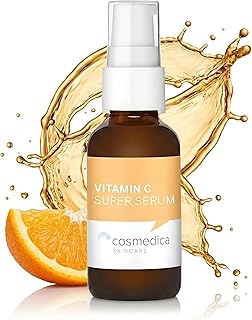
The Formulation, Without the Fluff
TruSkin uses 20% L-ascorbic acid — the clinically active form, the one with actual peer-reviewed research behind it. Below 10%, you’re mostly paying for the packaging. Above 20%, irritation climbs faster than efficacy does. Twenty is the sweet spot. The formula pairs it with vitamin E and hyaluronic acid, which matters more than it sounds: L-ascorbic acid is notoriously unstable and can be harsh on its own. The E stabilizes the C, the HA keeps the delivery from stripping moisture. It’s not an accident that these three show up together.
Texture: watery, absorbs fast. No silicone slip, no thick afterfeel. If you’re used to a heavier serum, this might read as “doing nothing” — it isn’t. It just doesn’t announce itself.
The Part That Trips Everyone Up
Oxidation. Vitamin C serums go yellow, then amber, then brown. TruSkin is no exception. The amber glass packaging helps, but if the bottle’s stored near heat or the cap isn’t sealed tight, you’ll notice yellowing by week three. Once it’s orange: degraded. Still safe, but the active is compromised. This isn’t a TruSkin flaw specifically — it’s an L-ascorbic acid reality. TruSkin is just where most people encounter it for the first time because it’s everywhere.
The fix is boring: cool, dark, upright. A bathroom drawer works. Some people refrigerate it, which extends shelf life but thickens the texture slightly. Up to you.
Honestly? Most of the negative reviews trace back to this one thing. People storing it on a sunny vanity, then wondering why it stopped working.
What It Actually Does — and When
Consistent daily use, meaning every morning before SPF, tends to show up in three places over time: more even skin tone, slower dark spot progression, and that hard-to-name quality where skin just looks awake. Vitamin C’s role in collagen synthesis and melanin suppression is well-documented at this point. The results aren’t dramatic or immediate. People who report nothing after two weeks expected the wrong thing — four to eight weeks is the honest window for visible change.
Is it as potent per drop as SkinCeuticals CE Ferulic? Probably not. But that’s $100+ versus $20-something, the active ingredient is chemically identical, and the thousand-review dataset suggests it’s working for a meaningful number of people. So is the gap worth four times the price? For most people who aren’t sure they’ll use it consistently — no.
If you’re ready to try it, here’s the Amazon listing — check current pricing and availability there.
The Honest Downsides
The smell. Not bad, not perfumed — just distinctly vitamin C. A faint medicinal sourness that fades within sixty seconds of application, but if you’re scent-sensitive, that first hit might give you pause. Fair warning.
The dropper also doesn’t seal perfectly. Stored tilted or horizontal, it can leak into the cap. Minor, but annoying enough to mention. Store it upright.
One Line
If you want a vitamin C serum that’s formulated correctly and won’t cost you $100 to find out whether you’ll actually use it every morning — this is the one to try, as long as you store it right and give it real time to work.
Disclosure: This post contains Amazon affiliate links. If you purchase through my links, I may earn a small commission at no extra cost to you. I only recommend products I genuinely believe in.