Oily skin and retinol usually end one way — a sticky film, a clogged pore, a breakout that makes you swear off active ingredients for a month. Most retinol creams are formulated for dry skin first, and everyone else figures that out after the fact. The RoC Retinol Correxion Max Daily Hydration is the exception that actually earns that reputation.
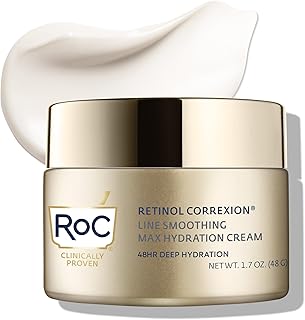
The Oil-Free Formula Is Doing the Heavy Lifting
Here’s the thing: oil-free retinol moisturizer sounds like a marketing contradiction. Retinol needs a delivery vehicle, and the cheap route is emollients — heavy, pore-blocking ones. RoC uses hyaluronic acid instead. That’s the move. HA pulls moisture into your skin without leaving an oil layer, no residue, no noon-time shine you didn’t ask for. The texture is a light fluid-cream — not watery, not thick. It absorbs in under two minutes and doesn’t pill under makeup.
4.6 stars across 16,000 reviews. Honestly? That’s a number that earns serious attention. The pattern in the feedback is consistent: oily and acne-prone skin types who expected to break out and didn’t, with visible improvement on dark spots and post-acne scarring within four to six weeks. Retinol accelerates cell turnover — exactly the mechanism you want for hyperpigmentation. The HA keeps the barrier intact while that process happens, because retinol without hydration is just inflammation waiting to occur.
If you’ve been burned by retinol creams that felt too heavy, finding a solid retinol moisturizer for oily skin at this price point is rare — here’s the link.
What Nobody Puts in the First Paragraph
Retinol stings. Not always, not dramatically, but if your skin is sensitized from acids or sun exposure, the first few nights will tell you. That’s retinol in general — not a RoC-specific warning. Start every other night. Fair warning: skipping that step and jumping straight to nightly use is exactly how people end up peeling and then blaming the product rather than the protocol.
The bigger catch: this is positioned as a daytime moisturizer, but retinol increases photosensitivity. You need SPF over it — full stop. Is that inconvenient? Slightly. It’s also non-negotiable if you don’t want the retinol working against itself.
There’s also a faint fragrance. Most people won’t register it. Fragrance-reactive skin might.
Is It Actually Worth It for Oily Skin?
An oil-free retinol moisturizer with real retinol content — not a trace amount dressed up in nice packaging — is a short list. This sits near the top of it. The 16,000-review track record on fine lines and dark spots is hard to argue with, and the formula logic holds up: HA hydration plus meaningful retinol concentration, no oils to clog the process. Give it six weeks, stay consistent, wear SPF on top, and the results people are reporting are entirely plausible.
The cons are real but manageable: adjustment period in the first two weeks, SPF required, mild fragrance. None of those are dealbreakers unless you’re fragrance-sensitive or unwilling to add sunscreen. If neither applies, this is a straightforward yes.
Disclosure: This post contains Amazon affiliate links. If you purchase through my links, I may earn a small commission at no extra cost to you. I only recommend products I genuinely believe in.